
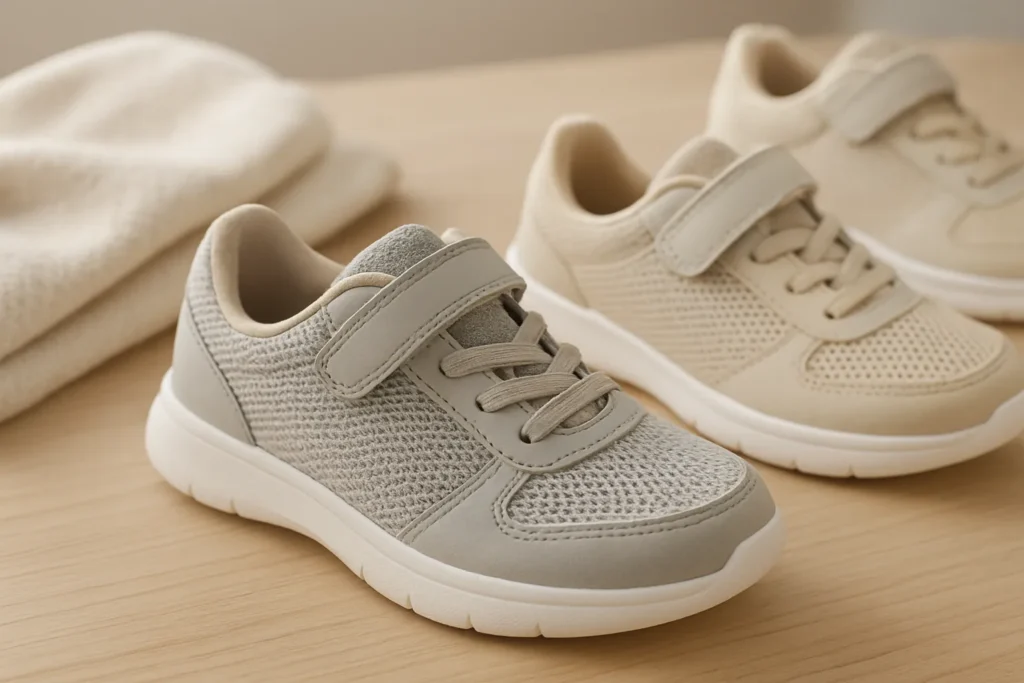
How to Choose Breathable Materials for Kids’ Footwear
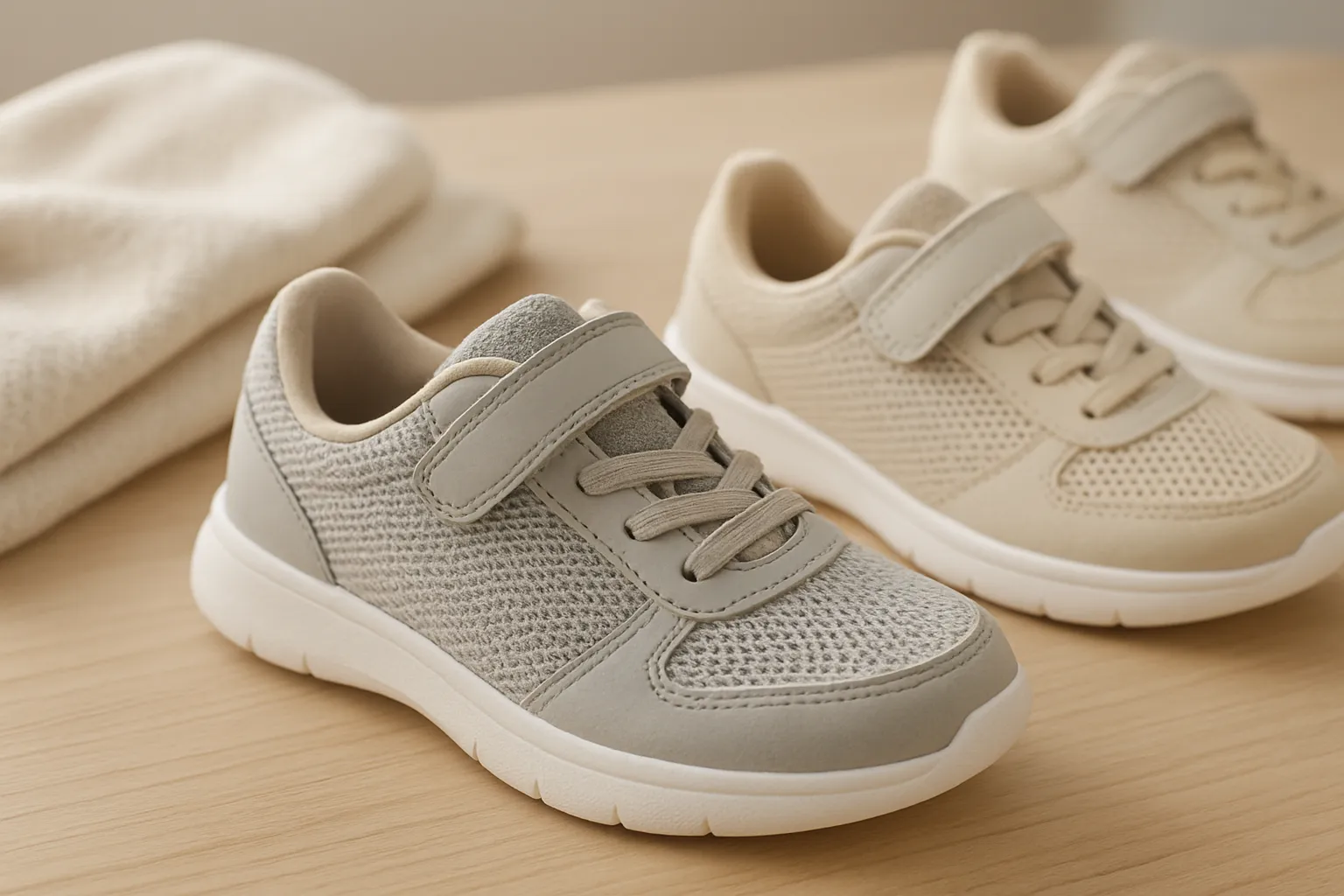
In the realm of children’s footwear, ensuring comfort and functionality is of utmost importance. One key aspect that significantly influences these factors is the breathability of the materials used. Breathable materials facilitate air circulation, keeping little feet cool and dry—an essential requirement for active children. In my experience, the right choice of materials can make a world of difference in a child’s comfort level.
Breathability is crucial for several reasons. For one, it helps prevent moisture buildup, which can result in discomfort, blisters, and even fungal infections. I’ve seen firsthand how breathable materials contribute to overall foot health, allowing kids to play and explore without the hindrance of sweaty, uncomfortable shoes. Common breathable materials include mesh, leather, canvas, and specialized synthetic fabrics designed to enhance airflow while offering durability and support. For more insights, refer to this industry reference.
Specifications of Breathable Materials
When selecting breathable materials for children’s shoes, several key characteristics should be taken into account. Firstly, look for materials with excellent moisture-wicking properties. This feature is vital as it helps draw sweat away from the foot, promoting a dry environment. Additionally, the material should be lightweight to ensure that children can move freely without feeling weighed down.
Durability is another critical factor. Kids’ shoes often face rough use, so the materials must withstand wear and tear. I always recommend considering maintenance requirements as well. For instance, while leather may require more upkeep, synthetic options can often be cleaned easily with a damp cloth. For a variety of options, check out our Products page.
Use Cases for Breathable Materials in Children’s Shoes
Breathable materials significantly influence different types of footwear based on seasonal needs and specific activities. For example, lightweight mesh is perfect for summer sandals and sneakers, allowing maximum airflow. Conversely, during colder months, shoes made from breathable leather can provide warmth while still allowing some ventilation.
Activity-specific footwear needs also dictate material choices. If children are involved in sports or outdoor activities, shoes with reinforced mesh panels can offer breathability while maintaining the necessary support and structure for vigorous movement. From what I have seen, understanding the context in which the shoes will be used is essential for making informed material choices.
Comparison of Popular Breathable Materials
When comparing breathable materials, it’s important to distinguish between natural and synthetic options. Natural materials like cotton and leather are often favored for their comfort and breathability. However, they may lack the moisture-wicking properties found in some synthetic materials, such as polyester or nylon blends, which can be engineered for superior performance.
In terms of performance metrics, synthetic options generally excel in moisture management and drying time. Advanced synthetic fabrics can provide a lightweight feel while ensuring that children’s feet remain dry during play. On the other hand, natural materials can offer a traditional aesthetic and comfort level, making them appealing for casual wear.
Sourcing Breathable Materials
Identifying reliable suppliers for breathable materials is crucial for manufacturers and retailers. It’s wise to seek out suppliers with a proven track record in the footwear industry who can provide high-quality materials that meet safety standards. Certifications such as OEKO-TEX or ASTM can indicate that the materials are safe for children’s use.
Evaluating material quality is equally important. Requesting samples and conducting tests for breathability, durability, and comfort can help ensure that the materials chosen will meet the expectations of both retailers and end-users. Personally, I believe that building strong relationships with suppliers can also lead to better pricing and exclusive access to innovative materials.
Implementation in Footwear Design
Integrating breathable materials into footwear production requires careful planning and design considerations. The design should not only focus on aesthetics but also on how the materials will work together to enhance comfort and fit. Incorporating features such as padded collars, arch support, and adjustable straps can significantly improve the overall user experience.
Moreover, designers should consider construction methods used for assembling shoes with breathable materials. Techniques that enhance ventilation, such as perforations or mesh panels, can significantly improve airflow, making the footwear more comfortable for children during extended wear.
FAQs about Breathable Materials for Kids’ Footwear
A common misconception about breathable materials is that they are less durable than their non-breathable counterparts. In reality, many modern breathable materials are designed to be robust and withstand the rigors of children’s activities.
When selecting the right material, consider factors such as the season, the child’s activity level, and personal preferences for style and fit. Involving children in the selection process can also ensure they feel comfortable and confident in their footwear.
In conclusion, choosing breathable materials for children’s footwear is essential for ensuring comfort, health, and performance. By understanding the specifications, use cases, and sourcing strategies, manufacturers and retailers can make informed decisions that lead to the production of high-quality, comfortable children’s sandals and shoes. For more information about our company and services, visit our About page.